What Are You Not Doing That You Already Know Would Make a Difference?
Sep 22, 2026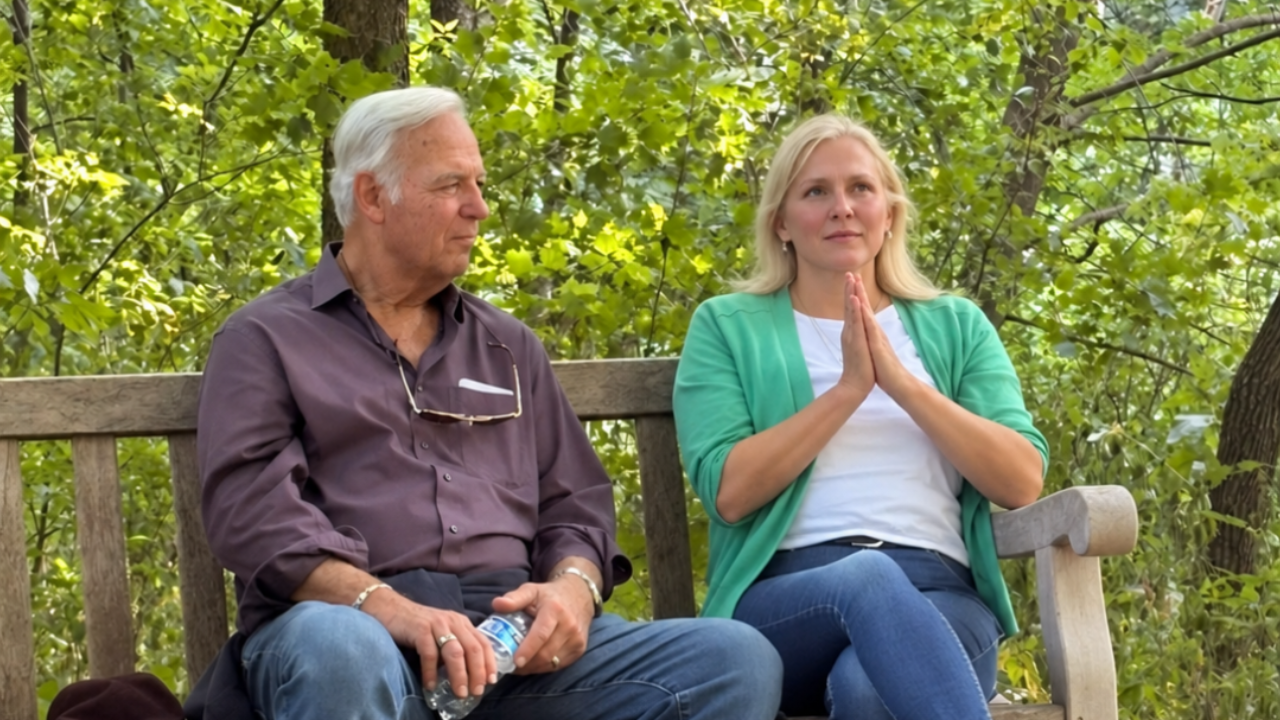
Earlier this month, I flew to Minneapolis for the inaugural gathering of the Success Principles Leadership Council, a small group of Certified Success Principles Trainers who had been invited by Jack Canfield to come together for the first time. This wasn't another conference or training. Everyone in the room had already studied the Success Principles extensively, trained to teach them and incorporated them, in different ways, into the work we do with other people. We had been invited because of that work, the impact we are already making and the potential impact of what we might go on to create.
I came home with pages of notes, new relationships, new opportunities and plenty to think about. Yet one of the things that has stayed with me most wasn't something new that I learned. It was the reminder that there can be an enormous difference between knowing something and being willing to act on it. This is important in almost every area of life, but I think particularly when it comes to money and business.
Knowing isn't the same as doing
There was something interesting about being in a room where nobody was there to learn the Success Principles for the first time. Knowing the principles wasn't the end of the conversation. We were being asked to look at ourselves too. What are we creating next? Where can we contribute? Where do we still need to grow? What are we prepared to take responsibility for? Those questions apply whether you've been doing this work for six months or twenty years.
There is a temptation, especially when you've worked in a field for a long time, to think that knowing something and living it are the same thing. They aren't. Knowledge doesn't exempt any of us from having to make the decision, take the action, have the conversation or do the uncomfortable thing. In some ways, the more we know, the more useful the question becomes: what are we actually doing with what we know?
We often assume that better results require more information. We need another book, another course, a better strategy, a new marketing plan or somebody to tell us exactly what to do next. Sometimes we genuinely do need more knowledge or expertise, and learning something new can completely change what becomes possible. There are also times when we already know the conversation we need to have, the offer we need to make, the numbers we need to look at or the decision we've been circling for months. The problem isn't always a lack of knowledge. Sometimes there is a gap between what we know and what we are actually willing to do.
One of the things I committed to in Minneapolis was being more willing to say the thing, tell people what I know, tell people what I want and ask for the opportunity. That sounds straightforward, but it requires us to stop deciding what somebody else's answer will be before we've even given them the opportunity to answer. I put that into practice while I was there by asking someone a question about something I wanted to create in my business. That conversation led to an opportunity I hadn't anticipated and couldn't have planned in advance.
What was interesting about this wasn't only the opportunity itself. It was recognising that it existed on the other side of a conversation I could very easily not have had. We do this all the time. We predict the response before we ask. We decide someone won't be interested, won't pay that amount, won't introduce us, won't give us the opportunity or won't want to hear what we have to say. We treat an imagined response as though it has already happened and then make our decision accordingly. But what if we based our decisions on this question: what becomes possible if I do it?
Your results are downstream from your decisions
One of the ideas at the heart of my work is that our results don't appear from nowhere. What we believe influences the decisions we make, those decisions influence our actions, and our repeated actions create our results. Money makes that chain particularly visible because the amount we earn, save, invest or owe is a result. Revenue, profitability and business growth are results too. Behind every one of those numbers are decisions and behaviours repeated over time.
This is one reason two people can possess very similar knowledge and create completely different results. Knowing what to do and becoming the person who consistently does it are not the same thing. Someone can understand marketing and still avoid making offers. They can understand the importance of investing and never start. They can know exactly what is happening in their business finances while continuing to postpone a decision they know needs to be made.
Consider someone who wants to earn £100,000 a year but continues making every business decision as the person who is trying to earn £30,000. They may have the goal written down, understand the strategy and be working extremely hard. Yet if they continue pricing, selling, investing, negotiating and choosing opportunities from the same assumptions that created their current results, the bigger number remains something they want rather than something they are actively building towards.
The same thing happens with our personal finances. Someone can say they want financial security while repeatedly avoiding looking at their bank statements. They can want to become an investor while continuing to tell themselves that investing is for people who understand money better than they do. They can want to build wealth while making every financial decision according to what feels comfortable today. None of this means that thinking differently magically puts more money into somebody's bank account. It means that how we see ourselves influences the decisions we are willing to make, and those decisions have practical financial consequences.
Your future requires something from you
One of the things I have thought about since returning from Minneapolis is what it means to be invited into a leadership role because of both the work you have already done and the impact you can have in the future. Recognition for what we've already created is lovely, but for me it's about what we do next. An invitation doesn't create future impact, just as writing down a financial or business goal doesn't create the result.
At some point, the future we say we want begins to make demands on the person we are today. If you want a substantially different business six months from now, there will be decisions required of you between now and then. If you want to earn considerably more money, something about the way you create value, sell, price, communicate, lead or make decisions may have to change. If you want to build wealth, your current financial behaviour has to create the conditions from which that wealth can eventually grow.
This is where I think conversations about becoming your future self can sometimes become unhelpful. Your future self isn't someone waiting for you at some imaginary finishing line. You don't achieve the result and then become the person capable of creating it. Much of the becoming happens beforehand, through the decisions you make when the evidence of the future you want doesn't exist yet. You become that person through what you repeatedly choose to do now.
I thought about this a lot in Minneapolis because I am an introvert. Put me in a room full of people and my natural inclination isn't to fight to become the loudest voice in it. I can observe, listen and think for a very long time before deciding that I have something worth adding. I don't believe leadership requires me to become the loudest person in the room, nor do I have any desire to become that person. I do think growth requires me to notice when an identity I've become comfortable with starts determining what I am willing to do next.
This shows up around money and business constantly. We tell ourselves that we're not good with numbers, we're terrible at selling, we don't like following up, we're not confident enough, we're not the sort of person who takes risks or we could never charge that much. Those statements can sound like descriptions of who we are, AND they are also instructions for how we behave. If I believe I am someone who can't sell, I will behave differently from someone who believes selling is a skill they can learn. If I believe people like me don't earn a certain amount of money, that belief can influence the opportunities I pursue, the prices I charge, the conversations I have and the decisions I make.
Identity isn't an abstract personal development concept when it changes behaviour. It has practical consequences. Saying, “I am a £100,000-a-year person,” won't makes £100,000 appear - of course it won't. But if we start to think about what someone creating that result would need to believe, learn, decide and repeatedly do differently, and we in turn take action towards that, change will begin.
The cost of not acting belongs in the calculation
We are often very good at calculating the potential cost of doing something. The investment might not pay off, the person might say no, the new offer might not sell, the conversation might be uncomfortable or the decision might turn out to be wrong. Those are legitimate considerations, and intentional decision-making isn't about saying yes to everything or throwing ourselves recklessly at every opportunity.
The calculation becomes incomplete, however, if we only consider the risk of acting. There is also a cost to not having the conversation, not making the offer, not looking at the numbers, not increasing the price, not applying for the opportunity and not making the change. Sometimes that cost is financial, sometimes it is time, and sometimes it is another six months or another year spent creating roughly the same result while telling ourselves that we want something different. Doing nothing is still a decision, and it has consequences too.
This is something I think we need to consider far more often when making financial and business decisions. We naturally ask what could go wrong if we act, but we don't always give the same weight to what could happen if we continue exactly as we are. A decision doesn't become sensible merely because it preserves the status quo. Sometimes maintaining the status quo is precisely what is preventing us from creating the result we say we want.
What do you already know?
The most useful thing I brought home from Minneapolis was a challenge to pay closer attention to the distance between what I know and what I am actually willing to do. That is a question any of us can apply to our money, our businesses and the results we want to create.
Think about where you want to be six months from now and get specific about what you actually want to be different. Then consider what would genuinely have to change for that result to become possible. There may be something you need to learn, expertise you need to seek out or information you don't yet have. There is nothing wrong with not knowing something, and sometimes acquiring new knowledge is exactly the next step.
There may also be things you already know. Take a piece of paper and write down three things you already know would move you towards the result you want, but which you aren't currently doing consistently. It might be a decision you've been postponing, a conversation you need to have, an opportunity you haven't asked for, a number you need to look at, an action you need to take or a version of yourself you've been treating as though they belong somewhere out in the future.
Look at those three things and choose one to act on in the next seven days. You don't need to change your entire life or business this week. You do need to notice when you are searching for more information because you genuinely need it and when you are searching for more information because learning feels easier than doing what you already know.
This is exactly why I created From Knowing to Growing. It is for business owners who don't necessarily need another list of things they should be doing, but who want to get clearer about where they are going, what is most likely to move them towards it and what may need to change for them to follow through. The masterclass and accompanying Six-Month Business Momentum Map and Workbook will help you get clear on what you want your business to look like six months from now, identify the three decisions, changes or actions that could make the greatest difference, and look more closely at what may need to shift for you to actually act on them. You can find out more about From Knowing to Growing here.
If you already know what would make a difference, the next breakthrough may not come from learning something else. It may come from deciding that you're going to do something with what you already know. That is how the gap between where you are and where you want to be begins to close, and it is why I believe your future is created one intentional decision at a time.